For many couples, getting pregnant happens naturally. However, for others, the journey to parenthood can be challenging. If you have been trying to conceive without success, your doctor may recommend In Vitro Fertilization (IVF) as an effective fertility treatment.
But who actually needs IVF?
The answer depends on your medical history, age, fertility evaluation, and previous treatments. IVF is not always the first option, but it is one of the most successful assisted reproductive technologies available today.
In this article, we’ll explain the top medical reasons why your doctor may recommend IVF and help you understand whether it could be the right choice for you.
What Is IVF?
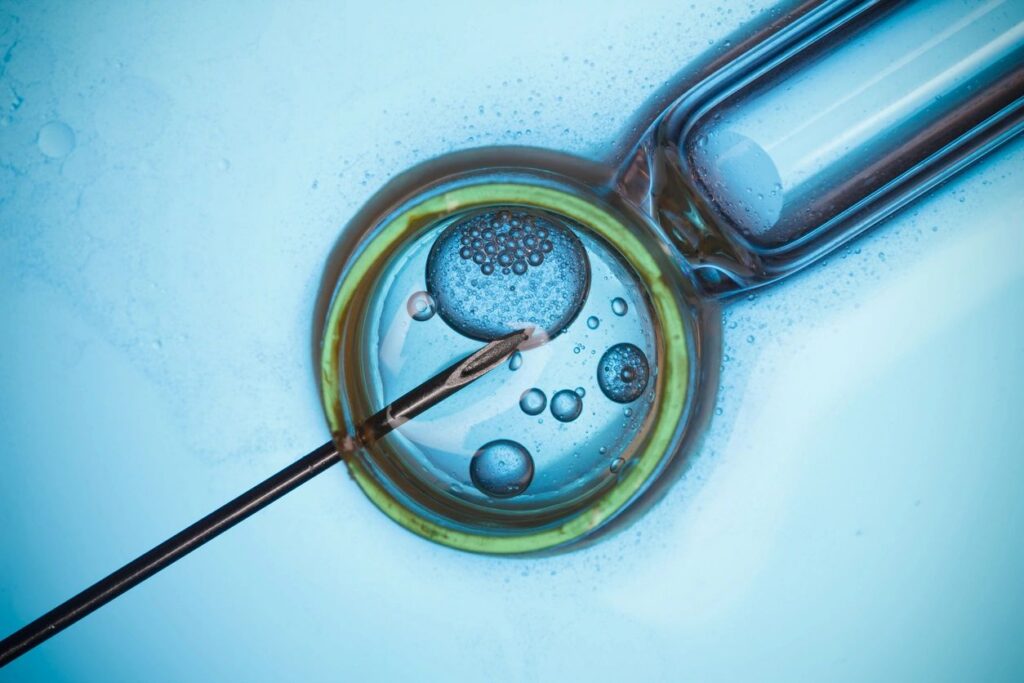
IVF (In Vitro Fertilization) is a fertility treatment in which eggs are collected from the ovaries and fertilized with sperm in a specialized laboratory. The resulting embryo is carefully cultured for several days before being transferred into the uterus to establish pregnancy.
If you’re new to fertility treatment, read our complete guide: What Is IVF?
1. Blocked or Damaged Fallopian Tubes
Healthy fallopian tubes are essential for natural fertilization. If both tubes are blocked or severely damaged, the egg and sperm cannot meet naturally.
Common causes include:
- Previous pelvic infections
- Endometriosis
- Tubal surgery
- Pelvic inflammatory disease (PID)
IVF bypasses the fallopian tubes completely, making pregnancy possible.
2. Severe Male Infertility
Male fertility problems account for nearly half of infertility cases.
Doctors may recommend IVF, especially with ICSI (Intracytoplasmic Sperm Injection), if a man has:
- Very low sperm count
- Poor sperm motility
- Abnormal sperm shape
- No sperm in semen (requiring surgical sperm retrieval)
ICSI allows a single healthy sperm to be injected directly into an egg, significantly improving fertilization chances.
3. Ovulation Disorders
Women who do not ovulate regularly may struggle to conceive.
Conditions include:
- PCOS (Polycystic Ovary Syndrome)
- Premature ovarian insufficiency
- Hormonal imbalances
- Irregular menstrual cycles
If ovulation medications or simpler fertility treatments are unsuccessful, IVF may be recommended.
4. Endometriosis
Endometriosis occurs when tissue similar to the uterine lining grows outside the uterus. It can affect egg quality, ovarian function, and the reproductive organs.
Women with moderate to severe endometriosis often benefit from IVF because it improves the chance of fertilization outside the body.
5. Unexplained Infertility
Sometimes every fertility test appears normal, yet pregnancy does not occur.
This condition is known as unexplained infertility.
After unsuccessful attempts with timed intercourse or IUI, IVF offers a higher chance of identifying healthy embryos and achieving pregnancy.
6. Advanced Maternal Age
Female fertility naturally declines after the age of 35.
As age increases:
- Egg quality decreases
- Chromosomal abnormalities become more common
- Pregnancy rates decline
- Miscarriage risk increases
Doctors may recommend IVF to improve the chances of pregnancy, especially when time is an important factor.
7. Recurrent Pregnancy Loss
Couples who have experienced multiple miscarriages may benefit from IVF in selected cases.
When appropriate, IVF can be combined with Preimplantation Genetic Testing (PGT) to identify embryos with the correct number of chromosomes before transfer.
This approach may reduce the risk of miscarriage for some couples.
8. Failed IUI Treatments
Intrauterine Insemination (IUI) is often the first fertility treatment.
If multiple IUI cycles fail, IVF usually offers a significantly higher success rate because fertilization occurs under carefully controlled laboratory conditions.
9. Genetic Disorders
Some couples carry inherited genetic conditions that they do not wish to pass on to their children.
With IVF, embryos can be tested using appropriate genetic testing before transfer, allowing doctors to select suitable embryos based on medical recommendations.
10. Fertility Preservation
IVF is also used for people who want to preserve fertility before:
- Cancer treatment
- Chemotherapy
- Radiation therapy
- Certain surgeries affecting fertility
Eggs or embryos can be frozen and used later when pregnancy is desired.
When Should You See a Fertility Specialist?
You should consider consulting a fertility specialist if:
- You are under 35 and have tried to conceive for 12 months without success.
- You are 35 or older and have tried for 6 months.
- You have irregular periods.
- You have known endometriosis or PCOS.
- You have experienced recurrent miscarriages.
- Your partner has abnormal semen analysis results.
- You have previously undergone pelvic surgery or have blocked fallopian tubes.
Early evaluation can help identify the most appropriate treatment options.
Does Everyone Need IVF?
No.
Many couples conceive with lifestyle changes, medications, or IUI. IVF is recommended only after a thorough fertility evaluation and when it offers the best chance of achieving pregnancy.
Your fertility specialist will recommend a treatment plan tailored to your individual situation.
Frequently Asked Questions (FAQs)
Is IVF the first treatment for infertility?
No. Depending on the cause of infertility, doctors may recommend lifestyle changes, medications, or IUI before IVF.
What is the right age for IVF?
IVF can be performed at different ages, but success rates are generally higher in younger women because egg quality tends to be better.
Can IVF help male infertility?
Yes. IVF combined with ICSI is an effective treatment for many forms of male infertility.
Is IVF always successful?
No treatment can guarantee pregnancy. Success depends on several factors, including age, embryo quality, underlying fertility issues, and overall reproductive health.
Final Thoughts
IVF has helped millions of families around the world achieve their dream of parenthood. While it is not necessary for everyone facing infertility, it can be life-changing for individuals and couples with specific medical conditions.
If you have been trying to conceive without success, speak with a qualified fertility specialist. Early diagnosis and the right treatment plan can make a significant difference.
Every fertility journey is unique—and with the right guidance, hope remains possible.
Read Next:
- What Is IVF? A Beginner’s Complete Guide
- IVF Step-by-Step: From Egg Retrieval to Embryo Transfer
- IVF Success Rates by Age
- IVF Cost in India