
Introduction
For many couples, having a child comes naturally. However, some individuals and couples face difficulties conceiving despite trying for months or even years. Fortunately, advances in reproductive medicine have made parenthood possible for millions through a treatment known as In Vitro Fertilization (IVF).
IVF is one of the most effective fertility treatments available today and has helped countless families achieve their dream of having a baby. In this article, we’ll explain what IVF is, how it works, who may need it, its success rates, risks, and what to expect during treatment.
What Is IVF?
IVF stands for In Vitro Fertilization.
The term “in vitro” means “in glass,” referring to the fact that fertilization takes place in a specialized laboratory rather than inside the female body. During IVF, eggs are collected from a woman’s ovaries and fertilized with sperm in an IVF laboratory. The resulting embryos are cultured for several days before one or more are transferred into the uterus.
If implantation occurs successfully, pregnancy begins.
Why Is IVF Performed?
IVF may be recommended for couples experiencing:
Female Infertility Factors
- Blocked or damaged fallopian tubes
- Endometriosis
- Ovulation disorders
- Diminished ovarian reserve
- Advanced maternal age
- Unexplained infertility
Male Infertility Factors
- Low sperm count
- Poor sperm motility
- Abnormal sperm morphology
- High sperm DNA fragmentation
Other Reasons
- Recurrent IVF failure
- Recurrent pregnancy loss
- Genetic disorders requiring embryo testing
- Fertility preservation before cancer treatment
How Does IVF Work?
The IVF process consists of several important steps.
Step 1: Ovarian Stimulation
Normally, a woman produces one egg per month. During IVF, fertility medications are used to stimulate the ovaries to produce multiple mature eggs. This increases the chances of obtaining healthy embryos.
Regular ultrasound scans and hormone tests monitor follicle growth.
Step 2: Egg Retrieval
Once the follicles are mature, a trigger injection is administered.
Approximately 34–36 hours later, eggs are collected through a minor procedure called egg retrieval. A thin needle guided by ultrasound is used to aspirate the follicles.
The procedure usually takes 15–20 minutes.
Step 3: Sperm Collection
A semen sample is collected from the male partner or a sperm donor.
The sperm is processed in the laboratory to select the healthiest sperm cells for fertilization.
Step 4: Fertilization
Fertilization can occur through:
Conventional IVF
Eggs and sperm are placed together in a culture dish, allowing fertilization to occur naturally.
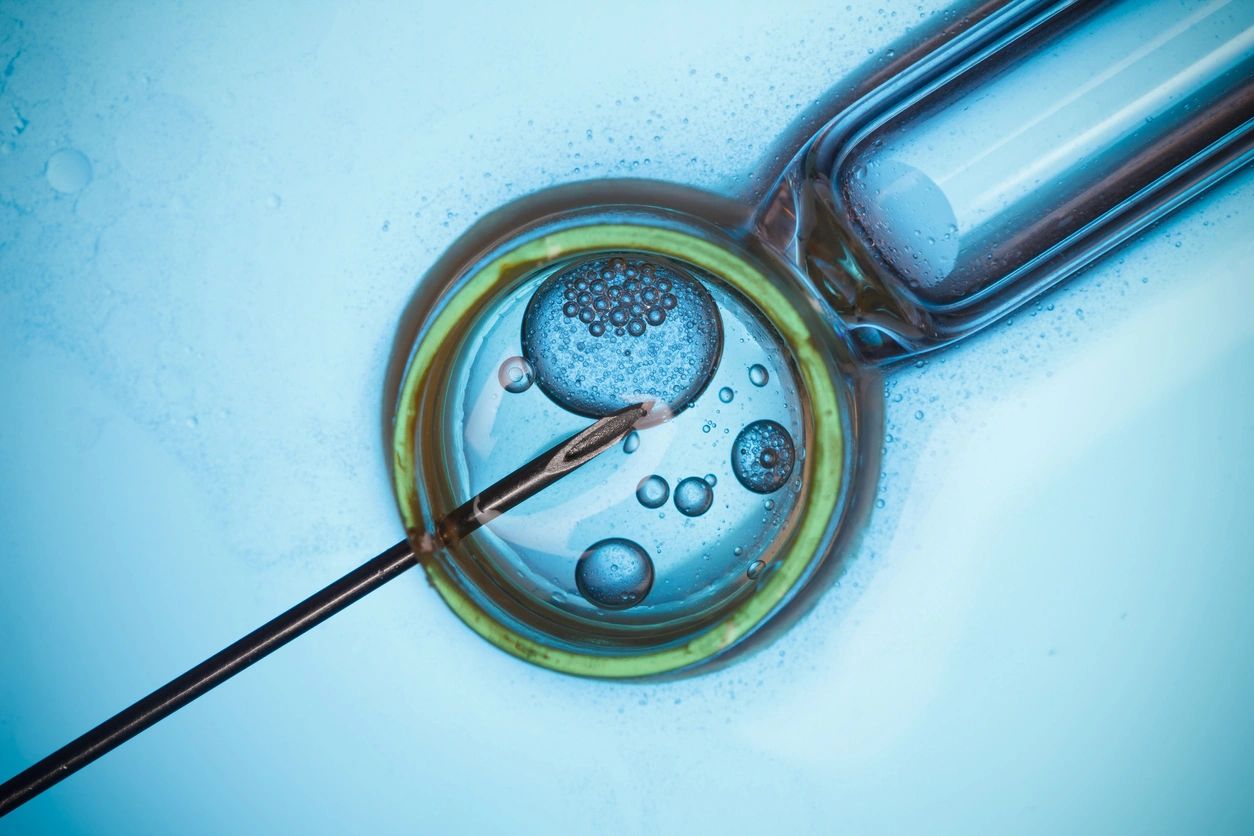
ICSI (Intracytoplasmic Sperm Injection)
A single sperm is injected directly into the egg using specialized micromanipulation equipment.
ICSI is commonly used in cases of male infertility.
Step 5: Embryo Culture
Fertilized eggs develop into embryos inside incubators that mimic conditions inside the human body.
Embryologists monitor embryo development daily.
Embryos may be cultured until:
- Day 3 (Cleavage Stage)
- Day 5 or 6 (Blastocyst Stage)
Step 6: Embryo Transfer
A selected embryo is transferred into the uterus using a soft catheter.
The procedure is usually painless and does not require anesthesia.
Step 7: Pregnancy Test
About 10–14 days after embryo transfer, a blood test called Beta hCG is performed to determine whether implantation has occurred.
What Is the Success Rate of IVF?
IVF success depends on several factors:
- Female age
- Egg quality
- Sperm quality
- Embryo quality
- Uterine health
- Lifestyle factors
Generally, younger women tend to have higher success rates compared to older women.
Advantages of IVF
IVF offers several benefits:
- Helps overcome many causes of infertility
- Allows embryo freezing for future use
- Enables genetic testing of embryos
- Provides an option for couples with severe male infertility
- Offers hope to couples who failed other fertility treatments
Risks of IVF
Although IVF is generally safe, some risks include:
- Ovarian Hyperstimulation Syndrome (OHSS)
- Multiple pregnancy
- Ectopic pregnancy
- Procedure-related discomfort
- Emotional stress
Most complications are uncommon when treatment is performed by experienced fertility specialists.
Common Myths About IVF
Myth 1: IVF Guarantees Pregnancy
Reality: IVF improves the chance of pregnancy but cannot guarantee success.
Myth 2: IVF Babies Are Unhealthy
Reality: Most IVF babies are born healthy and develop normally.
Myth 3: IVF Is Only for Women
Reality: Male infertility contributes to nearly half of infertility cases.
Myth 4: IVF Always Results in Twins
Reality: Modern IVF often involves transferring a single embryo to reduce multiple pregnancies.
Conclusion
In Vitro Fertilization (IVF) is one of the most significant advances in reproductive medicine. By combining advanced laboratory techniques with expert clinical care, IVF has enabled millions of couples worldwide to experience parenthood.
Understanding the IVF process can help reduce anxiety and empower patients to make informed decisions about their fertility journey. If you are struggling with infertility, consulting a fertility specialist can help determine whether IVF is the right option for you.